All About Oil Field Equipment and Pipeline Equipment: Key Insights and Necessary Details
Oil field equipment and pipeline systems play a crucial duty in the oil and gas market. They are vital for the efficient extraction and transport of hydrocarbons. Trick parts, such as drilling rigs and tank, straight influence operational success. Improvements in modern technology guarantee to improve security and efficiency. Understanding these aspects is vital for any person entailed in or curious about this complicated field, as it establishes the phase for deeper expedition of market methods.
Summary of Oil Field Equipment
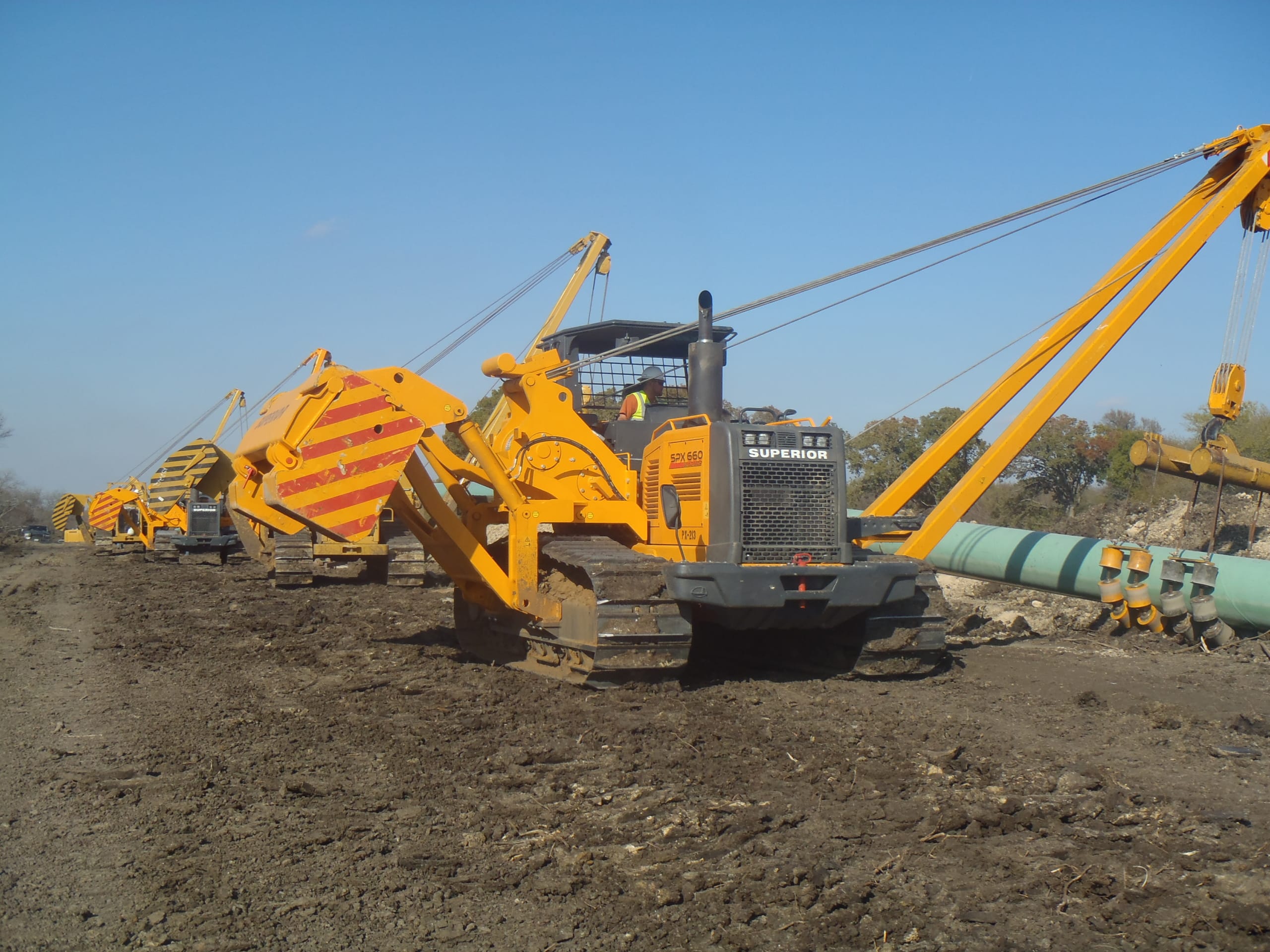
As the demand for oil proceeds to expand, understanding the equipment used in oil fields ends up being progressively important. Oil field equipment incorporates a large range of machinery and tools important for exploration, extraction, and handling. Key elements include piercing rigs, which are crucial for reaching oil tanks, and manufacturing equipment, such as separators and pumps, that promote the removal process. Superior Rentals Contact. In addition, tank play a significant function in holding petroleum prior to transport. Safety and security devices, including blowout preventers and stress evaluates, assures operational security and effectiveness. Each item of equipment functions cohesively to enhance manufacturing and maintain effective operations. Knowledge with this tools is necessary for specialists in the sector to assure effective operations and adherence to security requirements
Kinds of Drilling Rigs and Their Applications
Drilling rigs work as the foundation of oil extraction operations, with numerous types developed for details geological problems and functional demands. The most typical kinds consist of rotary exploration rigs, which use a revolving drill little bit to permeate the planet, and cable television device rigs, known for their percussion drilling technique. For offshore procedures, jack-up rigs and semi-submersible rigs supply security and assistance in aquatic settings. Additionally, directional boring rigs enable operators to drill at angles, reaching deposits that are not up and down obtainable. Each rig kind has distinct benefits, optimizing efficiency and safety and security based upon the drilling environment. Choosing the suitable rig is necessary for maximizing source removal while reducing ecological effect and functional prices.

Crucial Pipeline Equipment and Their Features
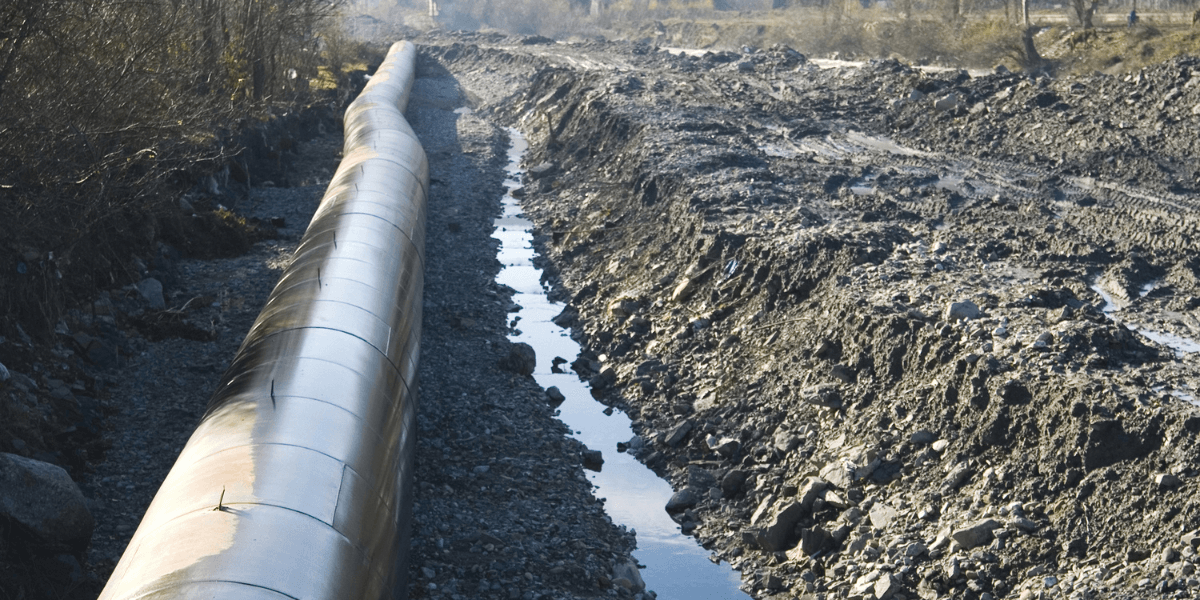
Pipeline framework is vital for the transport of oil and gas from extraction sites to refining centers and end-users. Numerous vital tools elements facilitate this process. Pipes themselves act as the primary avenues, made to endure high pressure and corrosive compounds. Pump stations are vital for maintaining flow by boosting pressure along the pipeline. Valves play an important role in regulating circulation and separating areas for upkeep. Furthermore, fittings and ports assure safe joints in between pipe sections. Keeping an eye on systems, including circulation meters and stress sensing units, are crucial for finding leakages and enhancing flow prices. Pigging devices is employed for upkeep and cleansing, guarding check here pipeline stability and performance. Together, these components form the foundation of a trusted pipeline system.
Innovations and Technologies in Oil and Gas Equipment

Safety and Maintenance Practices in the Oil Market
While the oil industry has actually made considerable strides in innovation and performance, the significance of durable safety and upkeep practices can not be overemphasized. Reliable safety procedures are necessary to secure workers and the environment, minimizing the danger of accidents and spills. Regular inspections and maintenance of devices help identify potential issues prior to they escalate, making certain operational integrity. Educating programs for employees are vital, emphasizing the significance of safety understanding and emergency situation action procedures. Furthermore, adherence to market regulations and requirements cultivates a society of safety and security. Executing sophisticated tracking modern technologies can further boost upkeep methods, enabling real-time evaluations of equipment problems. Inevitably, prioritizing safety and security and upkeep is essential to the sustainability and success of the oil industry.
Often Asked Questions
What Are the Environmental Impacts of Oil Field Equipment?
The environmental impacts of oil field equipment consist of habitat destruction, water contamination, and air pollution (Superior Rentals near me). In addition, equipment breakdown can lead to spills, adversely impacting wild animals and communities, highlighting the need for stringent laws and surveillance
How Is Oil Field Equipment Transported to Remote Locations?
Transporting oil field equipment to remote areas commonly involves specific vehicles, helicopters, or barges. Logistics firms coordinate paths, guaranteeing equipment shows up securely and efficiently, thinking about surface and access to minimize hold-ups and maximize performance.
What Regulatory Requirements Govern Oil Field Equipment?
Governing requirements controling oil field equipment mainly consist of security, ecological defense, and functional effectiveness guidelines. Agencies such as OSHA and EPA impose these guidelines to guarantee risk-free practices and minimize eco-friendly impact in oil removal procedures.
What Abilities Are Required to Operate Oil Field Equipment?
How Do Oil Rates Affect Equipment Demand and Usage?
Oil prices significantly affect devices demand and use. Higher rates generally result in raised expedition and manufacturing tasks, driving demand for machinery. Alternatively, lower prices might lead to lowered procedures and lowered requirement for devices.